
In desert towns like Lake Havasu, summer heat doesn’t just test people, it quietly wears down pool equipment too. When temperatures stay high for weeks on end, pumps fail unexpectedly, seals begin to leak, and electrical components seem to give up without warning. To many pool owners, it feels random and frustrating. In reality, extreme heat places constant stress on pool systems in ways that aren’t always visible until something breaks.
Why Pool Equipment Breaks Down More Often in Extreme Desert Heat
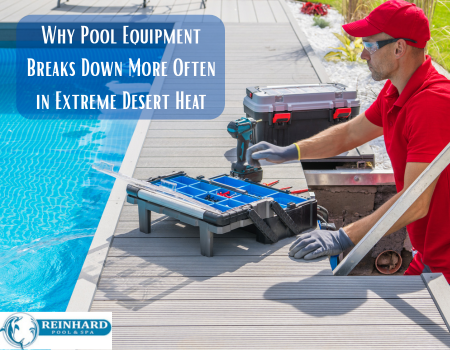 Pool motors are often the first casualties. These motors are designed to work hard, but not endlessly under scorching conditions. During extreme heat, motors run hotter than normal, especially when pumps are scheduled for longer cycles to keep water circulating and chemicals balanced. Heat reduces the efficiency of internal components, causing motors to draw more power and generate even more heat in return. Over time, this creates a vicious cycle that leads to overheating, premature wear, and eventual failure. A motor that might last years in a milder climate can burn out far sooner under relentless desert temperatures.
Seals and gaskets suffer in a quieter but equally damaging way. Rubber and plastic components are particularly sensitive to heat. Prolonged exposure causes them to dry out, harden, and lose flexibility. Once that happens, seals can no longer maintain tight connections, allowing water to seep into places it shouldn’t. Small leaks often start unnoticed, but they place additional strain on motors and electrical parts, accelerating the breakdown process. What begins as a minor seal issue can quickly snowball into a major pool equipment failure.
Electrical components face their own set of challenges. Control boards, wiring, and capacitors are designed to operate within specific temperature ranges. In desert heat, equipment pads can feel like ovens, especially when placed in direct sunlight with little airflow. Heat causes electrical resistance to increase, which stresses components and shortens their lifespan. Capacitors may weaken, connections can loosen, and sensitive electronics may fail altogether. Power surges during summer storms only add to the strain, compounding the damage caused by heat alone.
Another factor often overlooked is ventilation. Pool equipment enclosures are meant to protect systems from debris and weather, but in extreme heat, poor airflow can trap hot air around motors and electronics. Without proper ventilation, equipment struggles to cool itself, even during nighttime hours when temperatures remain high. This constant thermal stress leaves little opportunity for components to recover, making breakdowns more likely as the summer drags on.
Preventing heat-related equipment failure starts with awareness. Regular inspections help catch early warning signs like unusual noises, reduced water flow, or visible leaks. Keeping pool equipment shaded and well-ventilated can significantly reduce operating temperatures. Cleaning filters and baskets also matters more than many realize, as restricted water flow forces pumps to work harder and run hotter than necessary.
In desert climates, pool equipment and maintenance schedules often need adjustment. Pool equipment that might be checked monthly in cooler regions benefits from more frequent attention during peak summer months. Addressing small issues early, before seals fail completely or motors overheat, can extend the life of expensive components and prevent sudden breakdowns during the hottest days of the year.
Extreme desert heat is unavoidable, but widespread equipment failure doesn’t have to be. Pool equipment and systems are resilient when properly maintained, but they are not immune to constant thermal stress. Understanding how heat affects motors, seals, and electrical components empowers pool owners to take proactive steps, protecting their equipment and ensuring their pools remain reliable refuges from the desert sun. In a place where summer heat is a guarantee, smart equipment care isn’t optional, it’s essential.