
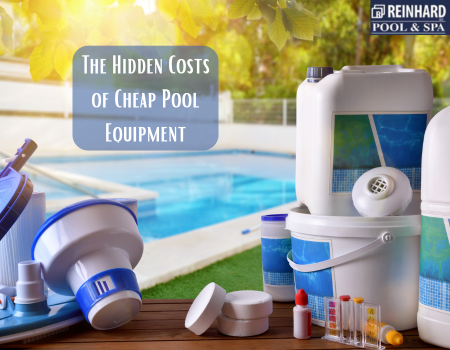
 When setting up or upgrading a pool, it’s tempting to cut costs by choosing lower-priced pool equipment. After all, pumps, filters, heaters, and cleaning systems can add up quickly, and cheaper alternatives often promise similar performance for a fraction of the price. But what many pool owners don’t realize is that the initial savings on cheap equipment are often overshadowed by higher maintenance expenses, frequent breakdowns, and premature replacements.
Understanding the long-term economics of pool ownership means looking beyond the price tag and thinking about pool equipment durability, efficiency, and total cost of ownership. Spending more upfront can save you hundreds or even thousands of dollars over time.
Short-Term Savings, Long-Term Headaches
At first glance, budget-friendly pool parts can seem like a win. They’re readily available online, easy to install, and offer an immediate solution when something breaks. However, many of these products are made with low-grade materials that simply aren’t built to withstand the demands of constant water exposure, high pressure, or extreme weather conditions.
Pumps may overheat, filters may crack under pressure, and heaters may corrode after just one season. Cheap seals, bearings, and motor components wear out quickly, forcing you to repair or replace them far more often than you would with premium parts.
When you factor in the cost of repeated service calls, lost time, and the frustration of dealing with equipment failures during peak swimming season, the “affordable” option quickly becomes the more expensive one.
Pool Equipment Durability: What Really Matters
Durability is more than just how long a piece of equipment lasts. It’s about consistent performance and reduced downtime over the lifespan of your pool. Premium pool manufacturers invest in high-quality materials like corrosion-resistant metals, UV-stable plastics, and energy-efficient motors. They also design their pool equipment to handle continuous use, temperature fluctuations, and chemical exposure.
For example:
- Pumps and motors: A premium pump with a variable-speed motor can last up to 10–12 years, while a cheap single-speed unit might fail in as little as 3–4 years.
- Filters: Top-tier cartridge or sand filters are built with reinforced housings that resist cracking, while cheaper models can warp or leak under pressure.
- Heaters: Stainless steel or cupro-nickel heat exchangers withstand harsh pool chemicals far better than aluminum or basic copper ones.
When comparing cheap vs premium pool equipment, durability often determines not only how long your equipment lasts but also how efficiently it performs over time.
The Warranty Difference
One of the clearest signs of quality is the warranty. Premium pool equipment typically comes with longer, more comprehensive coverage—sometimes up to five years or more. Manufacturers who believe in their product’s durability are willing to stand behind it.
By contrast, cheaper brands often provide limited or short-term warranties, sometimes as little as 90 days. And even when coverage exists, it may exclude parts most likely to fail, leaving you to pay for repairs out of pocket.
A strong warranty not only protects your investment but also gives you access to professional service networks, ensuring repairs are done correctly.
Hidden Energy and Maintenance Costs
Cheap pool equipment doesn’t just break down more often—it’s also less efficient. Motors that draw more power, filters that clog easily, and heaters that take longer to warm the water all translate to higher monthly energy bills.
Premium pool systems are engineered for energy efficiency. Variable-speed pumps, for instance, can reduce electricity usage by up to 70%. Over several years, that can mean hundreds of dollars in savings, more than offsetting the higher purchase price.
Maintenance costs also tell the same story. Lower-quality parts often need frequent cleaning or replacement due to inferior materials. For instance, cheap filter cartridges may need changing three or four times a year, while premium ones last twice as long with proper care.
Safety and Performance Concerns
Another hidden cost of cheap pool equipment is safety risk. Inadequate insulation, poor wiring, or weak seals can lead to electrical hazards or leaks that damage other components. Substandard parts can also compromise water circulation or chemical balance, leading to cloudy water, algae growth, and additional chemical costs.
Reliable equipment ensures that your pool functions as intended—efficiently, safely, and predictably. This peace of mind is worth far more than the short-term savings from cutting corners.
Long-Term Pool Costs: The Real Comparison
Let’s break it down:
- Cheap pump: $300 upfront + $200 yearly maintenance + replacement every 4 years = $1,100 over 8 years.
- Premium pump: $800 upfront + $75 yearly maintenance + lasts 10–12 years = $1,400 over the same period.
The difference? Just a few hundred dollars—but with the premium option, you get better performance, fewer breakdowns, lower energy bills, and much less hassle.
When you scale that across all major components—filters, heaters, cleaners—the savings multiply. Investing in durable, efficient pool equipment significantly reduces long term pool costs, even if the initial investment seems higher.
The Bottom Line
In pool ownership, as in most things, you get what you pay for. Choosing premium equipment is not about luxury; it’s about longevity, reliability, and value. The true cost of cheap gear isn’t just in dollars—it’s in time lost, repairs made, and frustration endured.
By prioritizing pool equipment durability and selecting high-quality brands, you ensure a smoother, safer, and more cost-effective pool experience for years to come. When comparing cheap vs premium pool parts, think beyond the price tag. Investing a little more today can mean enjoying your pool tomorrow—with fewer surprises, fewer breakdowns, and far greater savings over time.